

March 8, 2026
How to Choose the Right Car Storage Facility: 10 Questions to Ask
Choosing a Car Storage Facility Does Not Have to Be Complicated
The right storage facility keeps your vehicle safe, clean, and ready to drive. The wrong one can leave you with a damaged car, unexpected fees, or a frustrating experience that makes you wish you had done more homework.
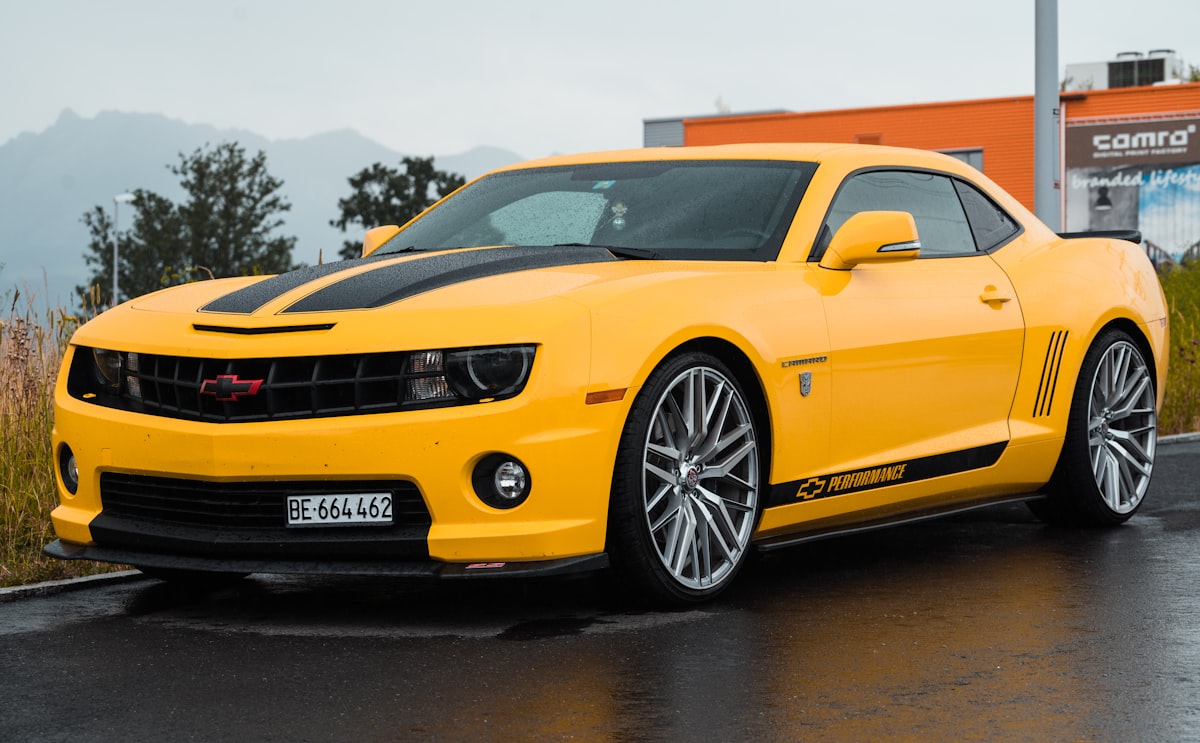
Before you sign a contract or hand over your keys, ask these 10 questions. They cover the areas that matter most and will help you separate the professional operations from the ones cutting corners.
1. What Security Measures Are in Place?
Security is the foundation of any good storage facility. Do not settle for vague answers. Ask specifically:
- Do you have 24/7 security cameras? How long is footage retained?
- Is the facility gated with controlled access (key card, code, biometric)?
- Is there an alarm system connected to a monitoring service?
- Are there on-site staff during business hours? After hours?
- Have you had any break-ins or theft incidents? If so, what changes were made?
A facility that is transparent about its security track record and willing to show you its systems in person is a good sign.
2. What Type of Storage Do You Offer?
Understand exactly what you are getting. Storage types vary significantly:
- Outdoor: Open lot with fencing and cameras
- Covered outdoor: Roof structure with open or partially open sides
- Basic indoor: Enclosed building without climate control
- Climate-controlled indoor: Temperature and humidity regulated
- Individual enclosed units: Your vehicle in its own lockable space
Make sure the storage type matches your vehicle's needs. A daily driver may be fine outdoors, but a classic car or exotic vehicle needs indoor climate-controlled storage.
3. What Are the Total Costs?
Get a complete picture of what you will pay. Ask about:
- Monthly rate for the specific space size you need
- Security deposit requirements
- Move-in fees or administrative fees
- Charges for additional services (battery tending, engine starts, detailing)
- Late payment penalties
- Rate increase policies and how much notice is provided
The advertised rate is not always the full story. A facility with a slightly higher monthly rate but no hidden fees may be cheaper overall than one with a low base rate and numerous add-ons.
4. What Is the Insurance Situation?
Insurance is one of the most overlooked aspects of car storage and one of the most important:
- Does the facility carry liability insurance? What are the coverage limits?
- Does their insurance cover damage to stored vehicles from fire, flood, theft, or staff negligence?
- Are you required to maintain your own insurance while the car is stored?
- Does your personal auto insurance extend to commercial storage? Many policies have exclusions.
- Is there an option to purchase supplemental storage insurance through the facility?
Do not assume your car is covered. Verify with both the facility and your insurance provider before you move your vehicle in.
5. What Are the Access Hours and Policies?
Some facilities offer 24/7 access, while others have limited hours. Understand:
- What are the regular access hours?
- Can you access your vehicle outside of regular hours with advance notice?
- Is there a fee for after-hours access?
- How many authorized contacts can access your vehicle?
- What is the check-in process when you visit?
If you plan to drive your stored vehicle occasionally (weekend car, seasonal use), flexible access hours are especially important.
6. How Are Vehicles Moved and Handled?
This question reveals a lot about how much care the facility takes:
- Do staff members move vehicles, or does the owner always drive in and out?
- If staff move vehicles, what is their training and experience level?
- Are vehicles ever parked by valets or stacked on lifts?
- Is there a documented condition report when the vehicle enters and exits storage?
For high-value vehicles, you want a facility where your car stays in its assigned spot and is only moved by authorized personnel with documented procedures.
7. What Maintenance Services Are Available?
A good storage facility helps you keep your vehicle in condition during its stay:
- Battery tending or charging
- Periodic engine starts and warm-up cycles
- Tire pressure monitoring
- Fluid level checks
- Detailing and cleaning services
Ask whether these are included in the monthly rate or charged separately, and get specific pricing for each service. Some facilities bundle basic maintenance into their rate, while others charge for every service individually.
8. What Is the Facility's Track Record?
Ask for specifics about the facility's history and reputation:
- How long have they been in business?
- Can they provide references from current or past clients?
- Do they have online reviews? (Check Google, Yelp, and AutoVault for independent feedback.)
- Have they had any major incidents (fire, flood, theft) and how did they handle them?
- What types of vehicles do they typically store?
A facility with a long track record and positive reviews from other car owners is a much safer bet than a new operation without a proven history.
9. What Does the Contract Include?
Read the contract carefully before signing. Pay attention to:
- Minimum commitment: Is there a minimum rental period?
- Cancellation policy: How much notice is required? Are there early termination fees?
- Liability limitations: What is the facility's maximum liability for damage or loss?
- Rate changes: Can they raise rates during your contract? How much notice is required?
- Lien rights: Some storage contracts include lien provisions that give the facility rights to your vehicle if you fail to pay. Understand these terms.
If anything in the contract is unclear, ask for clarification before signing. A reputable facility will be happy to explain their terms.
10. Can You Tour the Facility?
This is perhaps the most important question. Any facility worth your business should welcome an in-person tour. During the visit, observe:
- Cleanliness: Is the facility well-maintained? Are floors clean? Is there dust buildup on stored vehicles?
- Organization: Are vehicles neatly arranged with adequate spacing?
- Condition of existing vehicles: Do the cars already stored there look well-cared for?
- Staff professionalism: Are they knowledgeable, courteous, and forthcoming with information?
- Smell: Musty or damp smells indicate moisture problems. Chemical or exhaust odors suggest ventilation issues.
- Pest evidence: Look for droppings, gnaw marks, or traps.
If a facility will not let you tour, that is a red flag. Move on.
Putting It All Together
No single question tells you everything, but together these 10 questions give you a comprehensive picture of what a facility offers and how they operate. The best facilities will answer every question confidently and transparently.
Take notes during your visits, compare at least three facilities, and trust your instincts. The facility that makes you feel most confident about leaving your vehicle in their care is usually the right choice.
Use AutoVault to search and compare car storage facilities in your area. Filter by amenities, read reviews from other vehicle owners, and find the right facility for your needs.